

AI that explains itself — taught by people who care about the difference
Cedar Works builds structured learning on explainable artificial intelligence: what models actually do, why outputs look the way they do, and where interpretation breaks down.
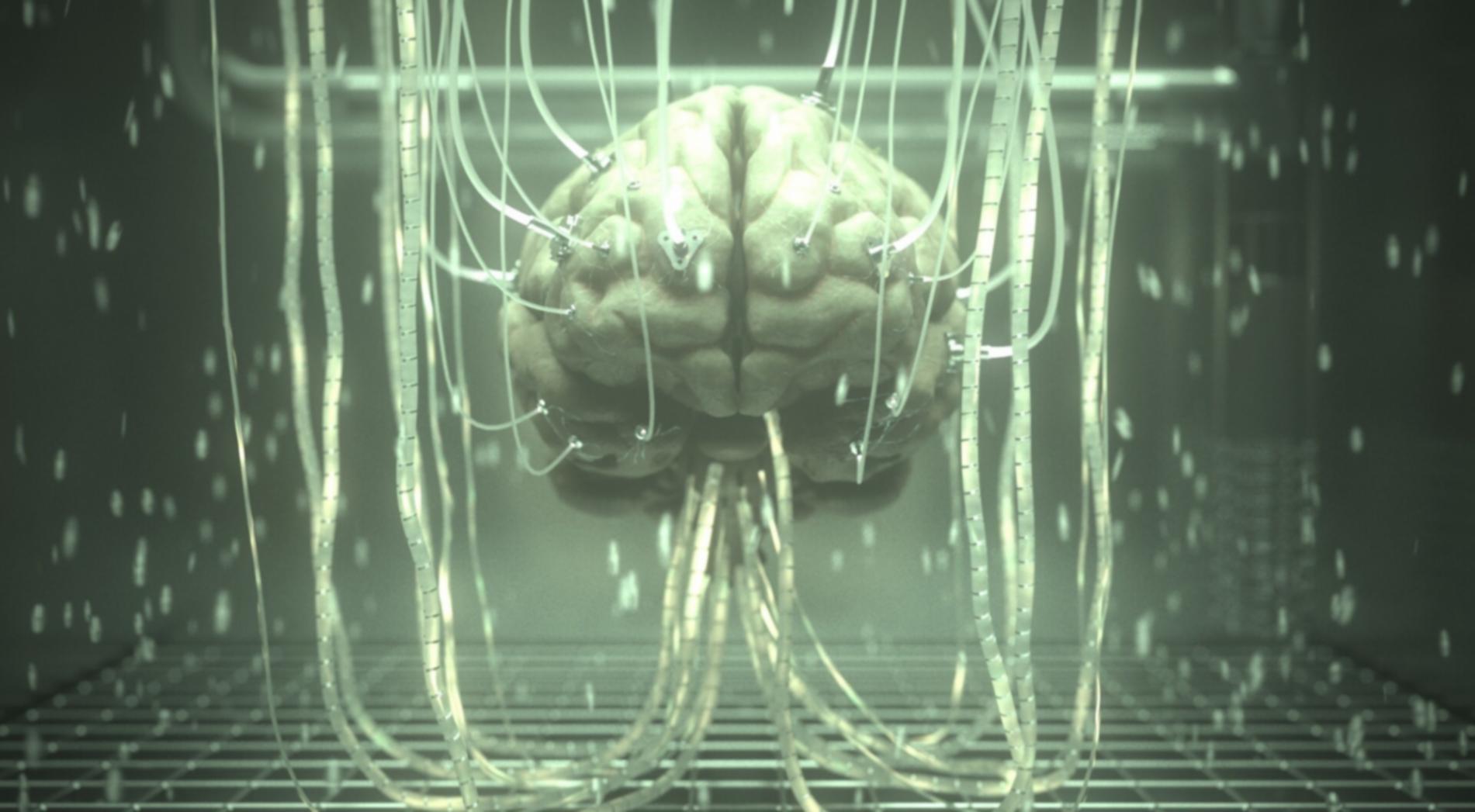
We concentrate on post-hoc interpretation methods — LIME, SHAP, attention visualization — and the conditions under which each one misleads rather than clarifies.
What Cedar Works actually does
Most XAI instruction stops at tool usage. We go further — into the assumptions each method carries and the specific cases where those assumptions fail.
Learners across Canada access lectures sequenced around real model behaviour: gradient-based attributions, surrogate models, concept-based explanations. Each module builds on the last without repeating it.
The curriculum draws from published research and from practical deployments in healthcare triage and credit assessment — domains where an unexplained decision has direct consequences.
The people behind the lectures
A small team with specific research backgrounds — no generalists, no broad-topic instructors. Each person teaches within a narrow area they have worked in directly.

Ondřej's work centres on SHAP value stability under distribution shift. He designed the attribution methods module and runs the applied case study sessions on clinical decision support.

Fatou focuses on local approximation fidelity — specifically when LIME explanations diverge from the model's actual decision boundary.

Miroslav researches TCAV and related concept-based methods, with particular attention to how concept completeness is measured and misreported.